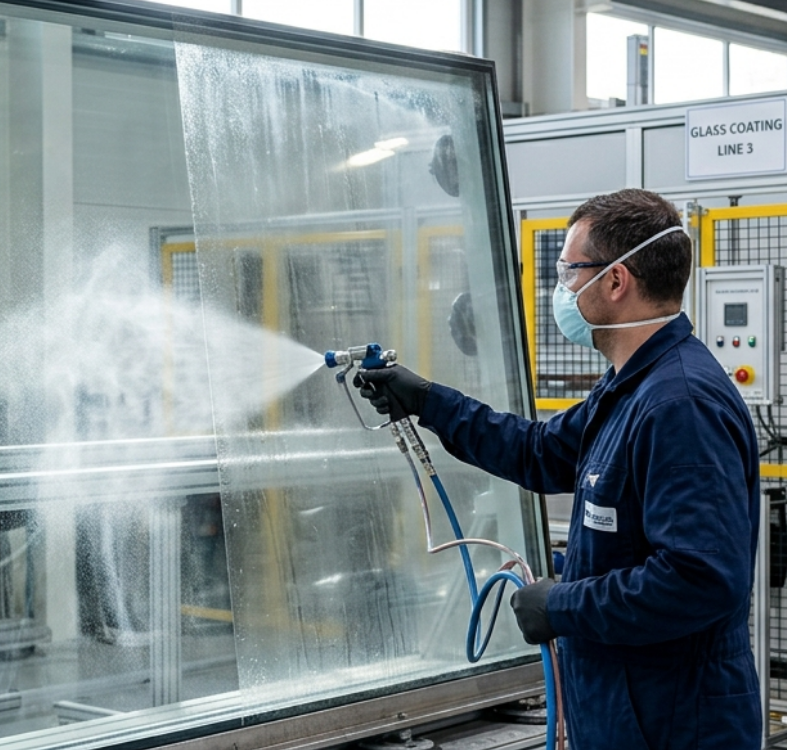
1. Enhanced Durability
One of the major benefits of nano glass coating is improved durability. Glass surfaces are constantly exposed to harsh weather conditions, pollution, scratches, and chemical contaminants. Nano coatings create a strong protective shield that minimizes wear and tear.
This protection helps:
- Reduce scratches and stains
- Prevent corrosion
- Extend the lifespan of glass surfaces
- Maintain clarity and shine for years
As a result, building owners can significantly lower maintenance and replacement costs.
2. Self-Cleaning Properties
Nano glass coating offers excellent self-cleaning capabilities. The hydrophobic surface repels water, causing rainwater to slide off easily while carrying dirt and dust away.
Benefits of self-cleaning glass include:
- Reduced cleaning frequency
- Lower maintenance expenses
- Cleaner appearance for longer periods
- Less need for harsh cleaning chemicals
This feature is especially beneficial for high-rise buildings where window cleaning can be expensive and difficult.
3. Improved Energy Efficiency
Energy efficiency is a top priority in modern architecture. Nano glass coatings can help regulate indoor temperatures by reducing heat transfer through glass surfaces.
The coating helps:
- Reflect harmful UV rays
- Minimize heat absorption
- Improve insulation performance
- Reduce dependency on air conditioning systems
This contributes to lower energy consumption and reduced utility bills, making buildings more environmentally friendly.
4. UV Protection
Continuous exposure to ultraviolet (UV) rays can damage interiors, furniture, flooring, and office equipment. Nano glass coatings block a significant percentage of harmful UV radiation while still allowing natural light to enter.
Advantages of UV protection include:
- Reduced fading of interior furnishings
- Better indoor comfort
- Protection for occupants from harmful UV exposure
- Enhanced lifespan of interior décor
This makes nano-coated glass ideal for offices, homes, hotels, and retail spaces.
5. Better Aesthetic Appeal
Clean and shiny glass enhances the visual appeal of any building. Nano coatings maintain the transparency and gloss of glass surfaces, ensuring a polished and professional look.
Architects and property developers prefer nano-coated glass because it:
- Keeps facades looking new
- Improves natural light transmission
- Enhances modern architectural designs
- Creates a premium appearance
A well-maintained glass exterior can also increase property value and attract tenants or buyers.
6. Water and Stain Resistance
Glass surfaces often suffer from water spots, mineral deposits, fingerprints, and stains. Nano coatings create a non-stick barrier that prevents contaminants from adhering to the glass.
This feature is particularly useful in:
- Coastal areas with salt exposure
- Industrial zones with pollution
- Bathrooms and kitchens
- Commercial buildings with heavy foot traffic
The result is cleaner glass with minimal effort.
7. Eco-Friendly Solution
Nano glass coating supports sustainable construction practices. Since coated surfaces require less water, detergent, and cleaning chemicals, the environmental impact is significantly reduced.
Additional environmental benefits include:
- Reduced energy consumption
- Lower carbon footprint
- Longer-lasting building materials
- Reduced waste from glass replacement
For green building projects, nano coatings can contribute to sustainability goals and certifications.