Nano Coating vs Rain-X: Which is Better for Glass Protection?
When comparing nano coating vs Rain-X, it’s important to understand that both are designed to repel water—but they differ significantly in durability, performance, and technology.Rain-X is a well-known consumer-grade windshield treatment introduced in the 1970s, primarily designed to improve visibility during rain by creating a water-repellent layer on glass surfaces.
On the other hand, nano coating—like ForeGlass—is an advanced glass protection solution that bonds at a molecular level to deliver long-term performance and protection.
Nano Coating vs Rain-X: Key Differences
Technology & Bonding
Rain-X forms a temporary layer on top of the glass, while nano coating chemically bonds with the surface for deeper protection.
Durability
Rain-X wears off relatively quickly and needs frequent reapplication. In contrast, nano coatings provide long-lasting protection under regular use.
Water Repellency Performance
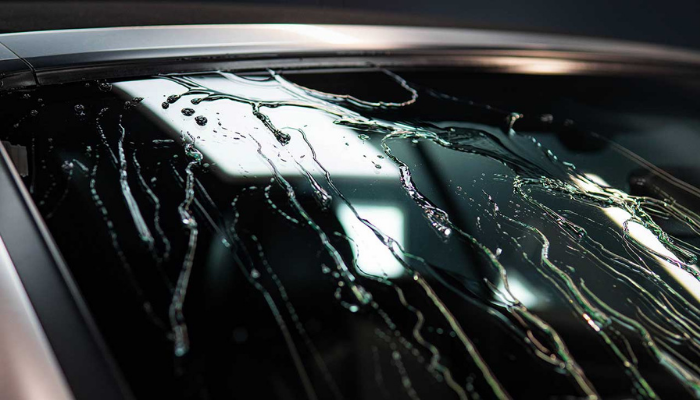
Both offer hydrophobic effects, but nano coating delivers more consistent and long-term water repellency, even after exposure to washing and environmental conditions.
Resistance to Dirt & Contaminants
Nano coatings resist dust, pollution, mineral deposits, and stains more effectively, while Rain-X mainly focuses on water repellency.
Optical Clarity
ForeGlass nano coating maintains crystal-clear transparency, while surface sealants like Rain-X can sometimes lead to uneven application or reduced clarity over time.
Maintenance
Rain-X requires repeated application, while nano coating significantly reduces cleaning frequency and maintenance effort.
Get a Free Demo or Quote Today!
Applications of ForeGlass Nano Glass Coating
ForeGlass provides advanced coating solutions for:
- Automotive windshields and windows
- Building facades and exterior glass
- Shower enclosures and bathroom glass
- Commercial office glass
- Retail storefronts and display glass