Driving conditions today are more demanding than ever. Urban pollution, extreme weather, highway driving, and environmental contaminants can quickly affect windshield clarity and driver visibility.
In 2026, drivers are increasingly choosing advanced glass coatings because they:
- Improve visibility during rain
- Reduce windshield cleaning frequency
- Enhance driving safety
- Protect against UV exposure
- Extend glass lifespan
- Support easier maintenance
With the growing popularity of smart detailing and vehicle protection solutions, automotive glass coatings are becoming an essential part of modern car care.
Top Automotive Glass Coating Technologies in 2026
1. Hydrophobic Nano Coatings
Hydrophobic nano coatings remain one of the most popular automotive glass protection solutions in 2026.
These coatings:
- Repel water instantly
- Improve rainwater runoff
- Reduce wiper dependency
- Minimize water spots
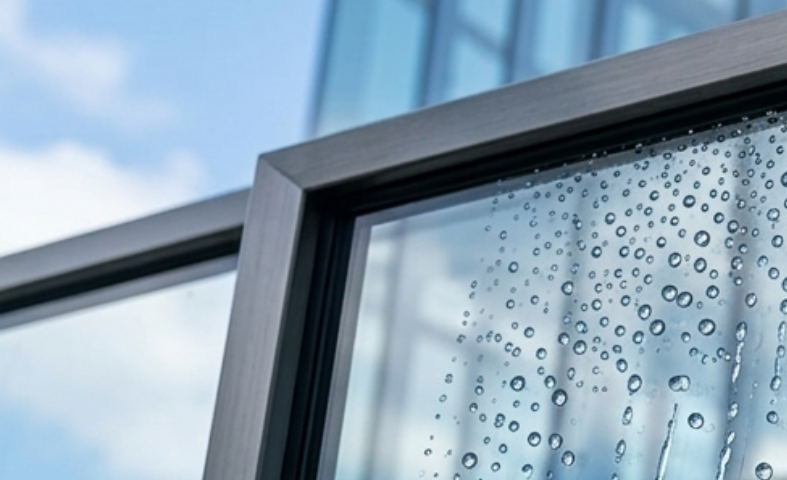
During rainy conditions, water droplets bead up and slide off the windshield, allowing drivers to maintain clearer visibility.
Best For:
- Monsoon driving
- Highway travel
- Daily commuting
- Heavy rainfall regions
2. Ceramic Glass Coatings
Ceramic coatings provide long-lasting protection and improved durability compared to traditional glass treatments.
Benefits include:
- Strong chemical resistance
- Long-term water repellency
- Scratch resistance
- UV protection
- Enhanced clarity
Ceramic glass coatings can last significantly longer than conventional rain-repellent products, making them ideal for long-term vehicle protection.
Best For:
- Luxury vehicles
- Professional detailing
- Long-term glass protection
- Harsh environmental conditions
3. Graphene Glass Coatings
Graphene-based coatings are among the most advanced automotive protection technologies available in 2026.
Graphene coatings offer:
- Superior durability
- Better heat resistance
- Enhanced slickness
- Improved contamination resistance
Because of their advanced molecular structure, graphene coatings are becoming popular among premium car owners and detailing professionals.
Best For:
- High-performance vehicles
- Extreme weather conditions
- Premium detailing applications
- Advanced vehicle protection
4. Self-Cleaning Glass Coatings
Self-cleaning glass coatings use hydrophobic technology to prevent contaminants from sticking to the windshield and windows.
Advantages include:
- Cleaner glass surfaces
- Reduced dirt buildup
- Easier maintenance
- Better visibility in dusty environments
Rainwater naturally washes away dirt and debris, minimizing manual cleaning requirements.
Best For:
- Urban driving
- Dust-prone areas
- Commercial vehicles
- Frequent travelers
Key Benefits of Automotive Glass Coatings
Improved Driving Visibility
Clear visibility is critical for safe driving. Glass coatings improve visibility by reducing water film buildup, glare, and windshield contamination.
Drivers benefit from:
- Better night driving visibility
- Faster reaction times
- Reduced visual distortion
- Improved road awareness
Enhanced Safety During Rain
Hydrophobic coatings help rainwater slide off the windshield quickly, reducing visual obstruction during storms and heavy rain.
This improves:
- Driver confidence
- Highway safety
- Wet-weather driving performance
- Emergency braking visibility
Reduced Glare and Eye Strain
Modern coatings help minimize glare from:
- Headlights
- Streetlights
- Sunlight reflections
Reduced glare improves driver comfort, especially during nighttime driving.
Easier Cleaning and Maintenance
Coated glass surfaces resist dust, fingerprints, oil, and contaminants.
This leads to:
- Less frequent cleaning
- Reduced maintenance costs
- Easier windshield washing
- Longer-lasting glass clarity
UV and Environmental Protection
Some advanced coatings provide UV resistance and protection against environmental contaminants like:
- Acid rain
- Pollution
- Hard water stains
- Bird droppings
This helps preserve both glass quality and interior vehicle components.
Best Applications for Automotive Glass Coatings
Automotive glass coatings can be applied to:
- Front windshields
- Side windows
- Rear glass
- Sunroofs
- Side mirrors
- Motorcycle visors
- Commercial vehicle windshields
The technology is suitable for both personal and commercial vehicles.